Problem 1: Distortion on Thin Sheet Metal
Where it shows up: Enclosures, panels, cabinets and brackets in precision sheet metal shops, and thin-gauge auto components.
Why it happens: Too much heat in a thin sheet makes it buckle and pull out of shape, especially on long continuous welds.
The fix: Reduce heat input and control it precisely. A machine from the pulse TIG AC/DC series switches between peak and base current, keeping the weld pool small on thin stainless and mild steel. For higher volumes, MIG on short-circuit transfer with fine voltage and wire-speed control works well. Tack more often, stitch weld instead of running continuous beads, balance welds on both sides and clamp parts in fixtures. For very thin or cosmetic joints, a fiber laser welding machine gives a narrow heat-affected zone and minimal distortion.
Problem 2: Excessive Spatter on Auto Components
Where it shows up: High-volume MIG welding of brackets, mounts and sub-frames supplied to vehicle plants around Manesar.
Why it happens: Poor balance between voltage and wire speed, rusty or badly wound wire, worn contact tips, or an unsuitable shielding gas.
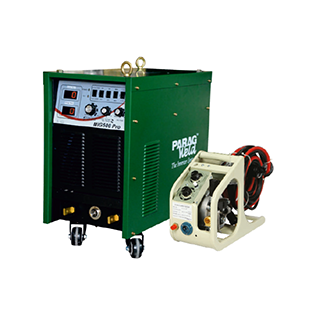
The fix: A MIG machine with a stable, well-tuned arc, such as the MIG 400 Pro, makes spatter far easier to control. Where the job allows, moving from pure CO2 to an argon-CO2 mix cuts spatter noticeably. Use clean, evenly wound welding wire, replace contact tips before they wear oval, and use anti-spatter on nozzles. Less spatter means less grinding before painting or plating.
Problem 3: Porosity in Welds
Where it shows up: Fire-fighting pipelines, HVAC duct supports and other building-services fabrication done on open floors and in shafts.
Why it happens: Draughts blow away the shielding gas, gas flow is set wrong, the base metal carries oil, paint or galvanising, or electrodes have picked up moisture.
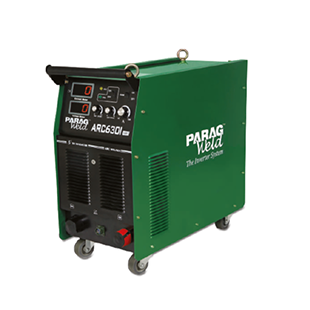
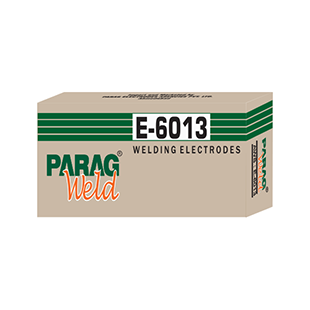
The fix: On site, ARC (MMA) welding with a portable inverter from the ARC welder series is far less sensitive to wind than gas-shielded processes. Keep low-hydrogen electrodes dry and condition them as the manufacturer advises. In the workshop, screen the bay from fans, check hoses for leaks and clean the joint thoroughly before welding.
Problem 4: Cracking in the Weld or Heat-Affected Zone
Where it shows up: Thicker sections, higher-strength automotive steels and joints held under restraint in fixtures.
Why it happens: Hydrogen from damp consumables, rapid cooling of thick sections, poor fit-up, or filler metal that does not match the base metal.
The fix: Use the correct low-hydrogen welding electrodes or matching wire for the steel grade, preheat thick or high-strength parts where the procedure calls for it, keep root gaps consistent, and fill the crater at the end of each weld using the machine's crater-fill function where available.
Problem 5: Machines and Torches Overheating
Where it shows up: Workshops during the hot summer months, poorly ventilated sheds, and TIG torches used for long stainless runs.
Why it happens: High ambient temperature reduces effective duty cycle, dust clogs vents and fans, and air-cooled torches get too hot at high current.
The fix: Choose a machine rated well above your working current, place it where air moves freely, and blow out dust regularly with the power isolated. For long TIG work at higher current, add a water cooling unit and a water-cooled torch.
Problem 6: Rough Cut Edges Slowing Down Fit-Up
Where it shows up: Shops still cutting sheet and plate with grinders or gas.
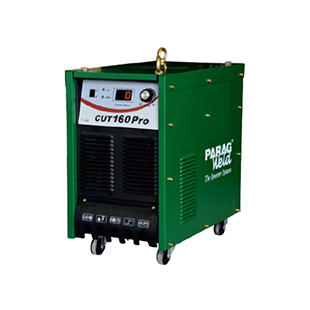
The fix: Poorly cut parts make every weld harder. An air plasma cutter from the LGK / CUT series gives cleaner, straighter edges on thin and medium sheet, and a CNC plasma system suits shops cutting the same profiles every day.
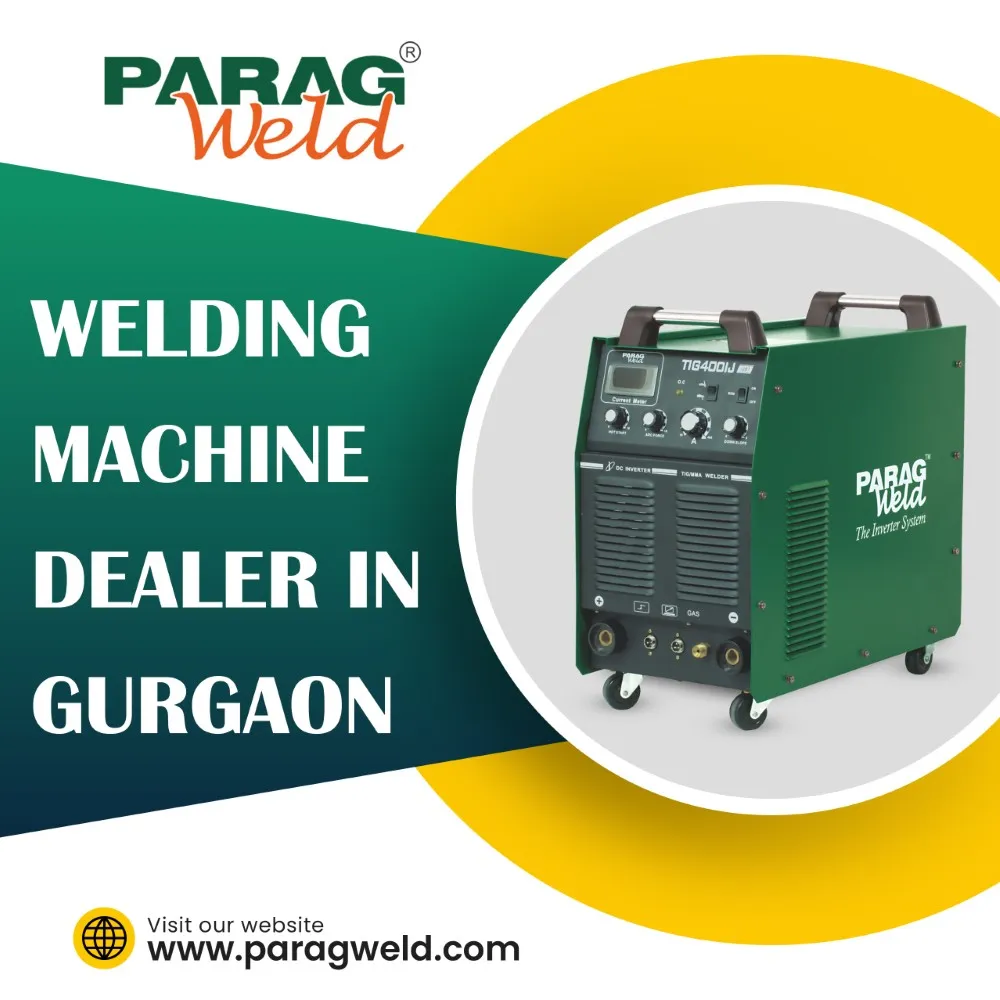
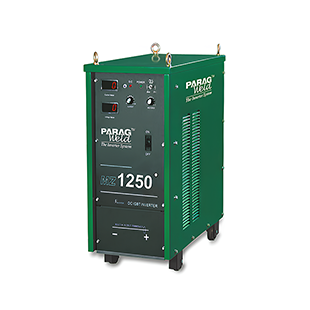
Paragweld Equipment Behind These Fixes
These are the main Paragweld ranges referred to in the solutions above:
Share Your Welding Problem With Us
If a defect keeps coming back on your line, send us the material, thickness, process and machine settings you use, with a photo of the weld if you can. The Paragweld team will suggest the change most likely to solve it, whether that is a different machine, a better consumable or an adjustment in technique. We deliver machines to Gurugram and Manesar and support buyers there by phone and WhatsApp. The full range is listed on our products page.
Facing weld quality issues at your Gurgaon unit? Call us at +91 9824099621 or email paragltd@yahoo.co.in and our team will help you find the fix.