Step 1: Get the Power Supply Right
Every Paragweld industrial machine is designed for a three-phase 415V supply with a tolerance of ±15%. Give the welding bay its own feed from the distribution panel, with an isolator and breaker rated for the machine, cable of the right size, and a proper earth pit. Many workshops outside the main industrial belt see voltage dips at peak hours. An inverter copes within its tolerance band, but if your line regularly falls below it, sort out the supply first; it is cheaper than repairing a damaged machine. If you weld from a diesel generator, size the generator generously for the welding load.
Laying Out the Bay
Keep the bay dry and well ventilated, with welding screens to protect other workers. In chemical and agro-processing plants, locate it well away from solvent or fuel storage, and follow the plant's hot-work permit system for repairs out on the floor. A sturdy steel bench, a vice, a fire extinguisher within reach and a dry cabinet for electrodes complete the basic setup.
Step 2: Match the Duty Cycle to Your Shifts
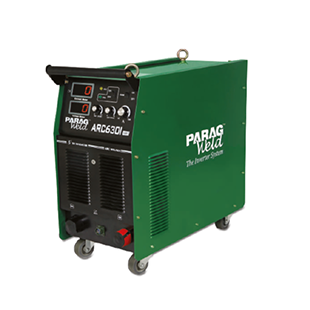
Duty cycle is the share of a ten-minute period a machine can weld at a given current without overheating. Paragweld's industrial machines are rated at 60% at their rated output, and the rating goes up as you weld at lower current. That matters in Amroha because maintenance work is uneven: quiet for days, then round-the-clock during a breakdown or the crushing season. Hardfacing worn sugar-mill rollers and rebuilding shafts means long, continuous runs. For those jobs choose a heavy-duty stick machine such as the Paragweld ARC 630i, so the machine works well below its limit. If you do long TIG runs, add a water cooling unit to keep the torch cool.
Step 3: Choose Electrodes and Wire for Maintenance Work
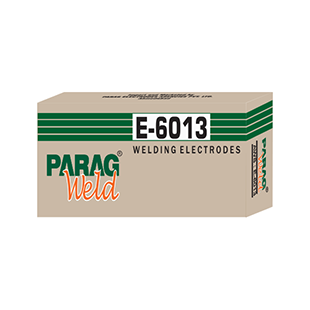
- General repairs on trolleys and farm implements: general-purpose mild steel electrodes, which are forgiving on rusty, painted steel after light cleaning.
- Structural and load-bearing repairs: low-hydrogen electrodes, kept dry and baked as the maker recommends.
- Stainless tanks and piping in Gajraula plants: matching stainless electrodes or TIG filler rods, so corrosion resistance is kept.
- Sugar-mill rollers and wear parts: hardfacing electrodes built for abrasion.
- New frames and guards: solid MIG wire for faster fabrication in the workshop.
Paragweld supplies welding electrodes and welding wire alongside its machines, so you can order the whole bay from one source.
Equipment to Build Your Bay Around
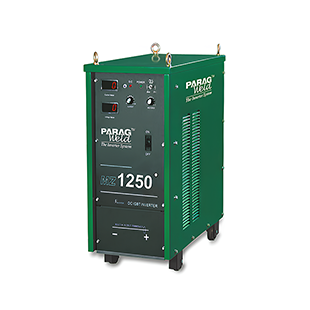
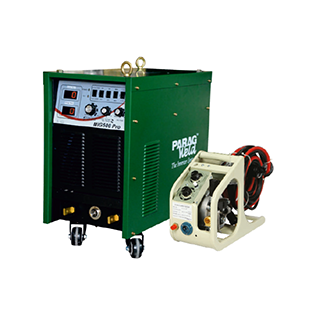
These machine families cover the needs of most Amroha workshops and plant maintenance bays:
Step 4: Routine Maintenance That Prevents Breakdowns
- Blow out dust regularly: bagasse, grain and field dust build up inside machines. Switch off, disconnect the power and clean with dry compressed air.
- Check cables and lugs: tighten terminals, and replace cracked insulation and worn earth clamps.
- Look after MIG torches: clean the liner, and change contact tips and nozzles before they cause erratic wire feed.
- Keep machines off wet floors: mill and plant floors are often damp; a raised stand protects the electronics.
- Log running hours: a simple register helps plan service before the crushing season, not in the middle of it.
Sample Welding Bays for Amroha District
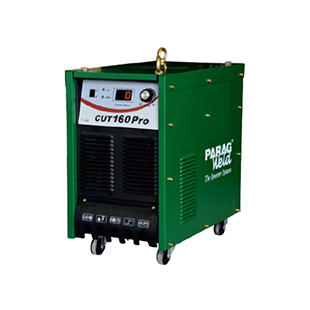
Village or town repair workshop: one stick inverter, a stock of mild steel electrodes, a grinder and a small plasma cutter for trimming plate. Gajraula plant maintenance bay: add a TIG machine for stainless lines and a MIG machine such as the Paragweld MIG 400 Pro for fabricating supports and guards. Sugar-mill workshop: a heavy-duty ARC machine for hardfacing and shaft repair, with a spare kept ready for the season.
Getting Your Machine to Amroha
Paragweld dispatches machines and consumables to Amroha, Gajraula and nearby towns. Our team can help you plan the bay, confirm the power requirements and set up the machine over phone or WhatsApp. You can also browse the full product range.
Call us at +91 9824099621 or email paragltd@yahoo.co.in to plan the right welding setup for your workshop in Amroha.