Step 1: Plan the Electrical Supply
Industrial welding machines in the higher current range are designed for a three-phase 415V supply. Before choosing a model, check what your premises actually has. Many older sheds were wired for lighter loads, and running a press, a compressor and two welders off one feeder is a common cause of tripping and unstable arcs.
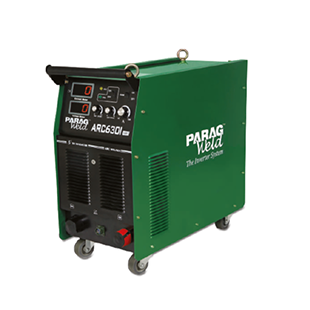
- Confirm phase and voltage: Three-phase 415V suits heavy-duty inverters such as the ARC 630I and industrial MIG machines. Keep smaller units for light repair and site jobs.
- Give each machine its own isolator: A dedicated switch with correctly rated protection lets the operator cut power safely while changing torches or cables.
- Size the input cable properly: Thin cables heat up and cause voltage drop, which shows up as a weak, wandering arc late in the shift.
- Earth the machine and the work table: Good earthing protects operators and reduces electrical noise that can disturb inverter controls.
- Mention supply fluctuation: If voltage at your site is unsteady, tell the Paragweld team so the recommendation accounts for it.
Step 2: Match Duty Cycle to Your Shift Pattern
Duty cycle is the share of a ten-minute period a machine can weld at a given current without overheating. A machine rated at 60% at a certain current can weld for six minutes and must then rest for four. That is fine for a repair shop welding brackets between jobs, but not for a fabrication unit running two shifts of continuous structural welding.
Single-shift jobbing work
For mixed repair and small fabrication, a mid-range ARC inverter works well. Choose one with current headroom above your usual setting so it runs cooler and lasts longer.
Multi-shift production
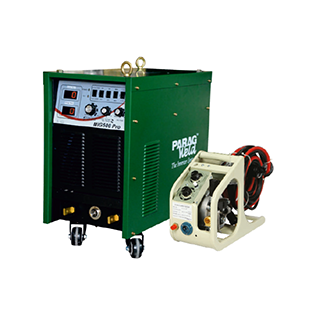
For continuous welding on columns, beams, trusses and tanks, choose a machine whose rated current sits well above your working current. Heavy-duty MIG machines such as the MIG 500 Pro are built for this kind of load. For long seams on thick plate, a submerged arc welding machine on a carriage or column and boom removes the operator-fatigue limit altogether.
Water-cooled torches for TIG
Stainless steel fabricators in Wazirpur often TIG weld for hours at a stretch. Pairing a high-current TIG machine with a water cooling unit keeps the torch comfortable to hold and extends consumable life.
Step 3: Lay Out the Bay for Safety and Flow
Keep machines off the floor where metal dust and water collect, and leave clear space around their air vents. Route welding and return cables where trolleys and forklifts will not run over them. Put screens between stations, provide fume extraction or good cross-ventilation, and keep gas cylinders chained upright away from the arc. A tidy layout prevents more downtime than any single upgrade.
Step 4: Choose Electrodes and Wire for the Work You Do
Consumables should follow the material, not habit.
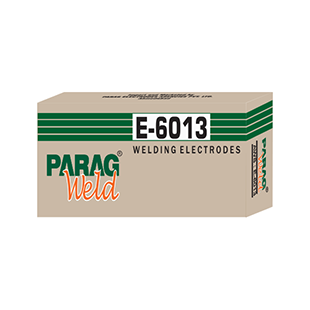
- Mild steel structures and gates for NCR construction: General-purpose rutile electrodes for everyday fabrication; low-hydrogen electrodes, stored dry, for load-bearing joints and thicker sections.
- Stainless sheet and utensils: Filler rods matched to the stainless grade for TIG, or stainless MIG wire for higher output.
- Auto parts and thin sheet: Copper-coated solid MIG wire under CO2 or mixed gas gives clean, fast welds on thin sections.
- Heavy plate: Submerged arc wire with the matching flux.
Paragweld manufactures both welding electrodes and welding wire, so the machine and its consumables can be chosen together.
Step 5: Pick the Machines for Your Bay
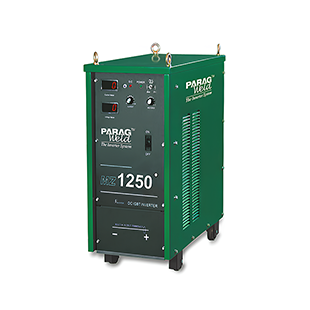
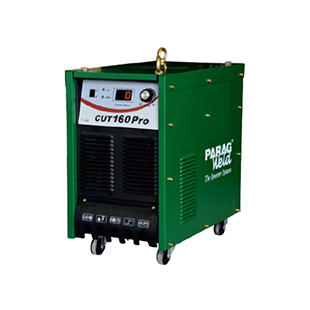
A well-rounded Delhi bay usually combines an ARC inverter for site and structural work, a MIG machine for production, a TIG machine for stainless and finish-critical joints, and a plasma cutter for preparing plate. These are the main Paragweld ranges to choose from:
Step 6: Set a Routine Maintenance Schedule
Inverter machines need little attention, but the little they need matters, especially through Delhi's dusty, hot summers.
- Daily: Check cables and connectors for cuts and loose lugs, tighten the earth clamp, and clean spatter from MIG nozzles and contact tips.
- Weekly: Inspect MIG feed rollers and liners, check gas hoses and regulators for leaks, and top up coolant on water-cooled TIG setups.
- Monthly: With the power isolated, blow dust out of the machine with dry compressed air and confirm the cooling fan spins freely.
- Before summer: Clean vents and filters, and move machines away from furnaces and direct sun, since high ambient heat reduces usable duty cycle.
A simple logbook of these checks helps you notice a slowing fan or a slipping wire feeder before it stops production.
How Paragweld Supports Delhi Workshops
Paragweld builds its machines in Ahmedabad and delivers them to customers in Delhi and across the NCR. Our team helps you work out supply requirements, duty cycle and consumables before you order, and stays available by phone and WhatsApp after installation. Browse the complete range on our products page or send your requirement through the contact page.
Setting up a new welding bay or upgrading an old one in Delhi? Call us at +91 9824099621 or email paragltd@yahoo.co.in with your supply details, materials and shift pattern, and we will suggest a suitable setup.