Why Scale Matters More Than a Long Product List
Most welding purchase mistakes come from matching the machine to a catalogue instead of the workload. An oversized machine ties up capital a small shop needs elsewhere; an undersized one overheats on long runs, trips its thermal protection and holds up a production floor. Before comparing models, answer three questions: how many hours a day the arc will actually be on, what steel thickness is typical, and whether the job needs a qualified weld procedure or simply a sound repair.
Small Workshops: Repair, Maintenance and Job Work
Kanpur has a large base of small workshops serving tanneries, leather goods units, the old textile-mill premises and local traders. The work is varied: repairing tannery drum stands and hangers, making racks and trolleys, patching chutes, gates and grills. The arc runs in short spells, the steel is mostly mild steel under 10 mm, and the machine often travels to the customer's premises.
What a small workshop should buy
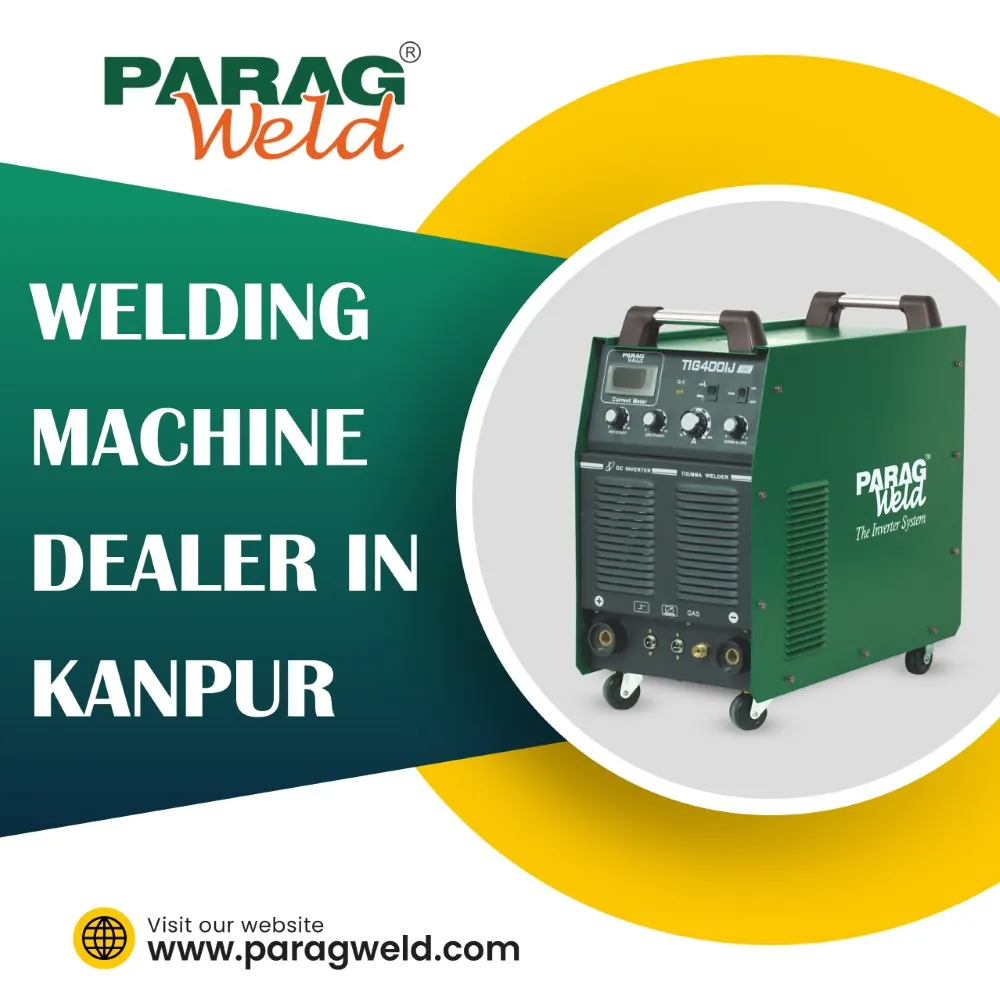
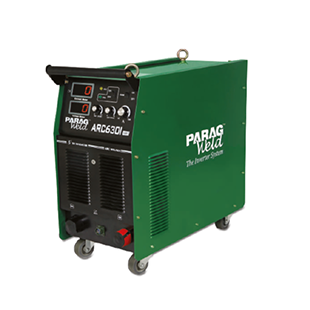
- A compact ARC (MMA) inverter as the main machine. Stick welding copes with rusty, painted or site-condition steel better than wire processes, and an inverter is light enough to carry between jobs. The Paragweld ARC welder series includes models for this kind of work.
- A small air plasma cutter if sheet cutting is regular; it is faster and neater than a grinder for openings and profiles.
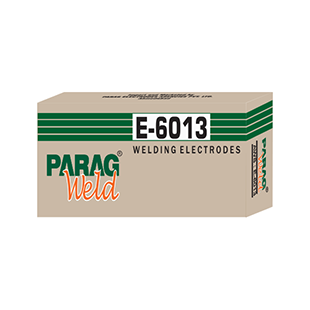
- General-purpose rutile electrodes for mild steel, plus a packet of low-hydrogen electrodes for repairs on load-bearing parts.
Tanneries are wet, chemical-laden environments, so a shop doing their maintenance will also meet stainless steel pipework and fittings. Stainless electrodes on the same MMA inverter handle occasional jobs; once stainless work becomes routine, a DC TIG machine earns its place.
Mid-Size Fabricators: Batch Production and Contract Work
Fabricators in Panki, Dada Nagar and the surrounding industrial pockets typically build structural frames, sheds, storage tanks, material-handling equipment and components for larger manufacturers. Here the arc is on for most of the shift, several welders work side by side, and output per hour decides the margin on each order.
What a mid-size fabricator should buy
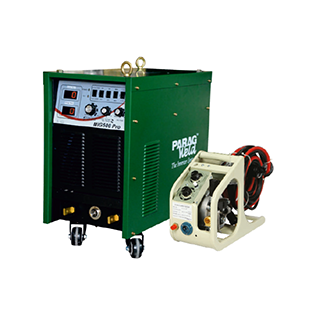
- MIG/MAG welders as the production workhorse. Continuous wire feed removes the stop-start of changing electrodes and lays more metal per hour on fillet and butt joints. A 500 A class machine such as the Paragweld MIG 500 Pro suits heavier sections, while a 400 A class unit covers lighter structural and sheet work.
- One or two heavy MMA machines for site erection and positions where dragging a wire feeder is impractical.
- A TIG machine for stainless and aluminium jobs, such as process equipment ordered by leather-processing and chemical customers.
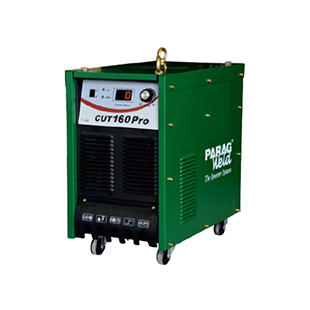
- Plasma cutting sized to your usual plate. The LGK air plasma cutter series spans light to heavy cutting capacities.
At this scale, standardise. Running the same model across bays lets operators move between stations, keeps spares interchangeable and simplifies buying wire and gas.
Large Plants: Heavy Fabrication and Defence-Linked Manufacturing
Kanpur's defence and ordnance manufacturing base, together with heavy engineering firms and their suppliers, works to drawings, inspection plans and qualified welding procedures. Thick plate, long seams and repeatability matter far more than portability.
What a large plant should buy
- Submerged arc welding (SAW) for long straight and circumferential seams on thick plate, where deposition rate and uniform penetration drive productivity.
- Positioning equipment such as a column & boom manipulator, welding rotators and carriages, so the joint comes to the torch instead of the welder climbing around the job.
- Pulse TIG and high-amperage MIG for controlled-quality joints on alloy steels and thinner components.
- CNC plasma or flame cutting to prepare plate profiles and bevels accurately before welding.
- Water cooling units for torches running at high current across long shifts.
For a plant, the machine is only part of the purchase. Ask for operating manuals, parameter guidance for your procedures and a clear route for spares and service before the order is placed.
Paragweld Equipment for Every Scale
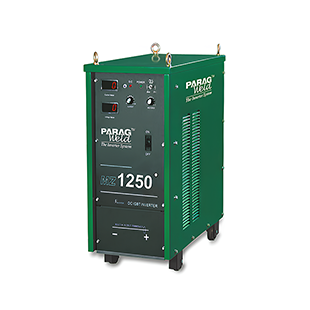
The product families below cover each tier described on this page, from a single inverter for a small repair shop to automated seam welding for a heavy plant:
Moving Up a Scale Without Wasting Money
Many Kanpur workshops grow from repair work into batch fabrication over a few years. Buying with that path in mind avoids replacing equipment too early:
- Choose three-phase machines if your premises already have a three-phase connection or will soon; they run cooler and sustain longer duty.
- Keep your stick welder when you add MIG. It stays the best tool for site jobs and dirty steel.
- Add MIG capacity bay by bay as orders justify it, rather than all at once.
- Look at SAW and positioners only when long seams or repeated heavy jobs start to dominate the order book.
How Paragweld Supports Buyers in Kanpur
Paragweld supplies Kanpur customers from its manufacturing base in Ahmedabad. Tell the team what you weld, your thickness range, your power supply and how many shifts you run, and they will suggest a machine and consumable combination that fits your scale. After installation, help with settings, spare parts and troubleshooting is available by phone and WhatsApp. Browse the complete range on the products page or send your requirement through the contact page.
Planning a welding purchase for your Kanpur workshop or plant? Call us at +91 9824099621 or email us at paragltd@yahoo.co.in and we will help you size the right equipment.